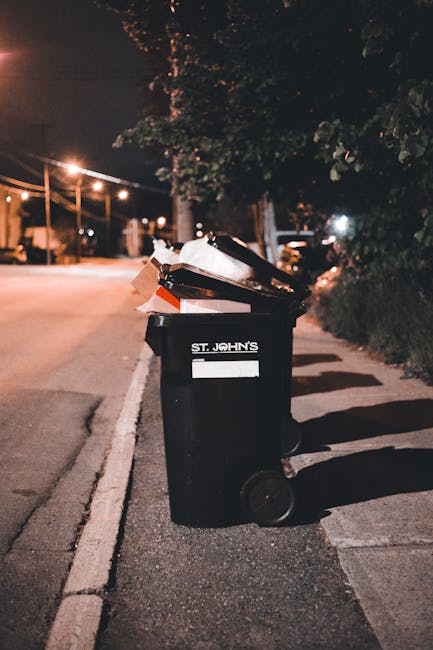
Sudbury Town station rubbish collection tips for commuters
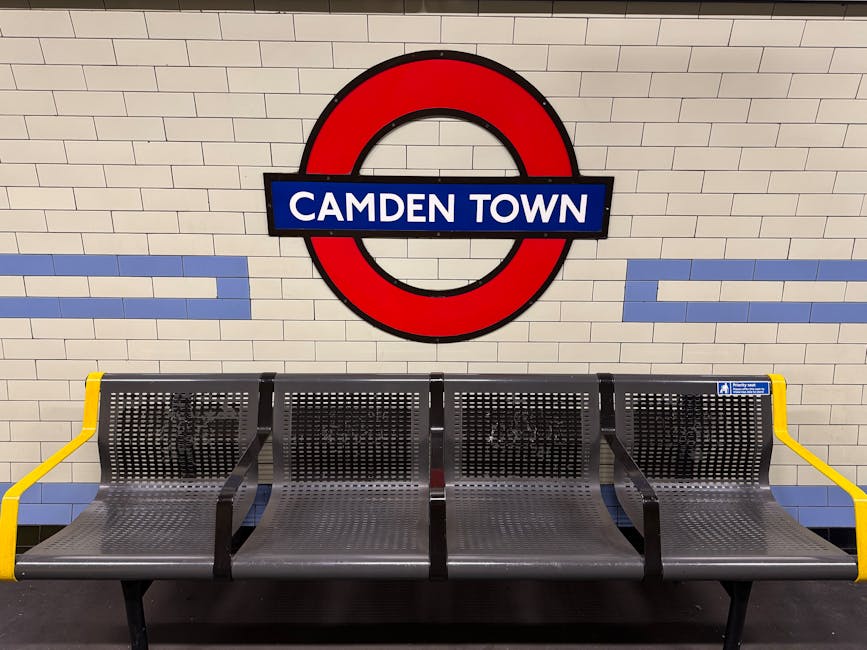
If you commute through Sudbury Town station, rubbish can build up faster than you expect. A coffee cup in one hand, a sandwich wrapper in the other, and suddenly your bag feels like a mobile bin. That is exactly why Sudbury Town station rubbish collection tips for commuters matter: they help you stay tidy, avoid spills, and make your journey smoother without adding faff to your day.
Whether you are dashing for a train, switching between the Underground and a bus, or just trying not to arrive at work with a greasy paper bag in tow, a simple waste routine makes a real difference. In this guide, we will look at how commuter rubbish collection works in practice, what to do with everyday litter, how to handle bulkier items, and which local waste services can help when your home, flat, or office needs a proper clear-out.
Let's face it, nobody enjoys carrying yesterday's packaging around all morning. But with a few sensible habits, it becomes one less thing to think about.
Why Sudbury Town station rubbish collection tips for commuters Matters
Commuter rubbish is usually small, but it adds up quickly. Empty bottles, snack wrappers, takeaway cups, tissues, receipts, and the odd broken umbrella cover have a way of ending up crumpled in pockets or stuffed into bags. If you do that every day, your bag starts to smell, your hands get messy, and your morning feels more chaotic than it needs to be.
At a busy station environment, good waste habits also help keep shared spaces pleasant for everyone else. That sounds obvious, but it is worth saying plainly. A station platform, ticket hall, or footpath can feel noticeably calmer when people use bins properly and avoid leaving bits behind. It is one of those tiny civic things that nobody applauds, yet everybody notices when it goes wrong.
There is also a practical angle. If you commute with food, drinks, documents, or electronics, knowing how to separate waste from valuables helps reduce accidental damage. A leaky coffee cup can ruin paperwork. A lunch container can leak in a backpack. And if you are carrying rubbish from home rather than just commuter litter, you need a plan for what goes where, especially if the item is bulky, awkward, or not suitable for a public bin.
Key point: commuter rubbish collection is really about two things at once: being considerate in public places and making sure your own waste leaves with you in the easiest, cleanest way possible.
How Sudbury Town station rubbish collection tips for commuters Works
In everyday terms, the process is simple. You generate waste during your journey, keep it contained, and then dispose of it responsibly at the right point. For most commuters, that means a station bin, a home recycling system, or a larger waste service if the rubbish is more than a few wrappers and bottles.
Here is the practical flow:
- Contain waste as you go. Keep a spare tote bag, small liner, or sealable pouch for wrappers and tissues.
- Separate clean recyclables from dirty waste. A clean plastic bottle is easier to recycle than a bottle half full of coffee.
- Use bins correctly. If there is a station bin, use it for genuine litter. Do not overfill it or balance loose items on top.
- Take home what needs sorting later. Some items are better handled at home where you can recycle, rinse, or break them down properly.
- Escalate to a waste service for larger jobs. If your commute ties into a move, office clear-out, or household purge, a local rubbish removal or skip hire option may be more sensible than trying to shift everything piecemeal.
This is also where the surrounding context matters. If you live in a flat, share a bin store, or work near the station, you may have limited space and limited time. A good routine is less about perfection and more about consistency. That one habit of folding flat packaging before you leave the house, for example, saves more annoyance than you would think. Sounds minor. It is minor. But it works.
If you need help with larger, non-commuter waste, services such as rubbish removal, domestic skip hire, or waste recycling services can be a better fit than improvising with bags and borrowed bins.
Key Benefits and Practical Advantages
Good rubbish handling is not glamorous. Still, it pays off in small, immediate ways that commuters notice straight away.
- Cleaner bags and clothes: less chance of leaks, crumbs, or sticky residue.
- Faster mornings: you are not fumbling for somewhere to put a half-empty drink or crumpled packaging.
- Less stress: one less thing to think about when trains are busy and platforms are crowded.
- Better hygiene: fewer smells and fewer accidental messes in your backpack or coat pocket.
- More responsible disposal: recyclable items are less likely to end up in the wrong stream.
- Reduced clutter at home: if you bring waste home for sorting, it stays contained and manageable.
There is a bigger benefit too: when commuters handle waste well, station environments feel more organised. You may not say it out loud, but everybody appreciates a cleaner, calmer platform at 8:10 on a wet Tuesday. We all do.
For commuters who also manage home tidy-ups, office changes, or a small renovation, it can be useful to compare services carefully. A man and van can suit smaller clearances, while skip hire may be better for larger volumes that would otherwise pile up in hallways or garages.
Who This Is For and When It Makes Sense
This advice is for anyone who uses Sudbury Town station and wants a cleaner, simpler way to deal with everyday waste. That includes regular office commuters, shift workers, students, tradespeople, parents doing the school run and then heading onward, and people who just prefer not to carry yesterday's lunch around like a strange little trophy.
It makes particular sense if you:
- buy food or drinks on the way to work
- travel with multiple bags and limited space
- commute through busy hours and need a quick disposal habit
- live in a flat where waste storage is tight
- are clearing out bags, drawers, or a home office and need a bigger waste solution
- want to keep your journey tidy without relying on the nearest random bin
It is also relevant if your commute intersects with bigger waste jobs. For example, if you are decluttering a spare room or emptying a garage after a house move, the same planning mindset helps. A bit of waste discipline on the train journey can translate into a far less chaotic clear-out at home. Strange but true.
For larger jobs, especially where mixed household waste or awkward bulky items are involved, local services like house clearance and garage and loft clearance can save a great deal of time.
Step-by-Step Guidance
If you want a simple routine you can actually stick to, follow this structure. It is not fancy. It just works.
1. Start with what you carry
Before you leave home, think about what rubbish you are likely to generate. A breakfast wrapper? Coffee cup? Paper napkin? One small resealable bag in your backpack can stop all of that from becoming loose litter. If you commute with kids, add spare wipes and a second bag. It sounds like overkill until the first spill, then it feels very sensible indeed.
2. Keep wet and dry waste separate
Dry waste is much easier to manage. Wet waste, especially food containers or cups, can leak and cause smells. Try to keep them apart. A bit of folded paper around a food container can help if you are bringing it home. Not perfect, just sensible.
3. Use the right bin at the right time
If a station bin is available and appropriate, use it. But do not force waste into an already overflowing container. If the bin looks full, take the waste home and dispose of it properly there. Piling rubbish around a full bin creates more mess than it solves, and that is exactly the sort of thing commuters complain about on the platform.
4. Sort recyclables at home
Even if you are in a rush, you can still make better choices. A clean bottle can go into recycling later. A greasy napkin usually cannot. When in doubt, keep items separate and sort them at home or at work, where the system is clearer.
5. Plan for bigger waste in advance
If you know you are dealing with more than commuting litter, do not improvise. Decide whether you need skip hire, a wait-and-load option, or a one-off rubbish collection. For time-sensitive jobs, same-day skip hire or wait and load skip hire can sometimes fit the schedule better than leaving bags in a hallway for a week.
6. Check for awkward items
Some waste is not suitable for normal bins at all. Broken appliances, bulky furniture, confidential paperwork, and anything potentially hazardous need special handling. That is where services such as fridge and appliance removal, confidential shredding, and hazardous waste disposal may be more appropriate.
Expert Tips for Better Results
A few small habits make a surprisingly big difference. In our experience, the people who stay on top of rubbish are not necessarily the neatest people. They are simply the ones with a routine.
- Carry a fold-flat reusable bag for waste. It takes almost no space and saves you from using pockets as a temporary bin.
- Pre-crush recyclable containers at home. Less volume means easier storage and fewer trips to the bin store.
- Use sealable pouches for food waste. This keeps smells down during warm weather and prevents leaks.
- Keep a "sort later" box near the door. Handy for receipts, dry recycling, and little bits that need attention when you get home.
- Choose services that match the job. Small loads are often better for grab lorry hire or man-and-van style collection than a full skip.
- Think about access. Tight streets, limited parking, or shared entrances can affect which waste option makes sense.
Here is a slightly underrated tip: do not wait until everything is "worth doing." Waste piles up precisely because people think the task needs to be huge before they act. It does not. A single decent habit, done daily, often beats the best-intentioned Sunday tidy-up.
If you are trying to improve the longer-term waste setup at home or work, pages like recycling and sustainability and what can go in a skip can help you separate routine rubbish from materials that need a more careful route.
Common Mistakes to Avoid
Most rubbish problems are not dramatic. They are small slips repeated often. That is the annoying part.
- Overfilling bags: a bag that is too full is more likely to split on the stairs, on the platform, or right outside the station entrance. Very inconvenient.
- Using public bins for everything: some items should go home with you, especially liquids or anything likely to leak.
- Mixing recyclables and food waste: greasy packaging is usually harder to recycle and can spoil clean materials.
- Leaving waste "for later" in the wrong place: hallway corners, bike baskets, and train seats are not temporary storage. Obvious, yes, but it happens.
- Ignoring bulk disposal needs: if you have more than a few bags, a proper service is usually simpler and tidier.
- Forgetting access and timing: many waste solutions depend on when you can be home, where the vehicle can stop, and whether items can be safely lifted.
The biggest mistake is probably this: treating all waste as if it is the same. It is not. A coffee cup, an old printer, and a broken shelf all need different solutions. Mixing them up creates delays, mess, or extra cost.
Tools, Resources and Recommendations
You do not need a lot of kit, but a few simple tools make commuter waste handling much easier.
| Tool or service | Best for | Why it helps |
|---|---|---|
| Reusable tote bag | Everyday wrappers and small items | Stops waste wandering around your backpack |
| Seal-top pouch | Wet or food-related waste | Reduces leaks and smells |
| Home recycling caddy | Sorting after the commute | Makes it easier to separate materials properly |
| Skip hire | Larger household or office clear-outs | Good when waste volume is too much for normal bins |
| Rubbish removal service | Mixed or bulky waste | Saves time when you need collection rather than storage |
| Confidential shredding | Paper records and sensitive documents | Safer than throwing paperwork into mixed waste |
For practical larger-load planning, relevant options include skip sizes and prices, skip permits, and book online. If you need help comparing services, pricing and quotes can be useful when you are trying to match budget to the amount of waste you actually have.
A small note from experience: if your waste is mostly light and bagged, a full skip can be overkill. If your waste includes broken furniture, old fixtures, or mixed materials from a clear-out, a skip or grab service may be the cleaner answer. There is no prize for choosing the most complicated option.
Law, Compliance, Standards and Best Practice
For commuters, the main compliance principle is simple: dispose of waste responsibly and do not leave litter behind. In the UK, household and commercial waste should be handled in line with local collection rules and accepted duty-of-care expectations. In plain English, that means you should use the right route for the right material, and avoid dumping waste where it does not belong.
If you are moving waste from a home or business rather than just carrying lunch wrappers, the expectations become more serious. Mixed rubbish, electrical items, confidential documents, and hazardous materials should be separated and dealt with appropriately. That protects people, property, and the environment.
Best practice usually includes:
- keeping recyclable and non-recyclable items separate where practical
- not placing waste out in a way that obstructs pavements or shared areas
- making sure bulky items are removed safely, not dragged or dumped
- checking whether a permit is needed for a skip placed on public land
- using a waste carrier or collection method that suits the material type
For more structured waste handling, pages such as skip hire permits, insurance and safety, and health and safety policy can support safer planning. That matters more than people often think, especially when access is tight or loads are awkward. If in doubt, choose the safer, cleaner route. It saves hassle later.
Options, Methods, or Comparison Table
Not every rubbish problem needs the same solution. Here is a simple comparison to help commuters and nearby residents choose sensibly.
| Method | Best for | Pros | Watch-outs |
|---|---|---|---|
| Station bin | Small commuter litter | Fast and convenient | Only suitable for light, safe waste |
| Take-home sorting | Recyclables and mixed everyday waste | More control over sorting | Requires a bit of discipline |
| Rubbish removal | Household or office clear-outs | Convenient and flexible | Needs booking and clear item lists |
| Skip hire | Larger renovation or declutter jobs | Handles higher volumes | May require a permit or space |
| Wait and load | Short, access-limited jobs | No long skip placement | Needs everything ready at collection time |
| Grab hire | Loose heavy waste | Good for fast loading | Access and material type matter |
If your waste is mostly commuter litter, keep it simple. If it is the aftermath of a loft clear-out, a moving day, or a small office refresh, then a more structured service will usually make life easier. That is the general rule, anyway.
Case Study or Real-World Example
Picture a commuter who travels through Sudbury Town station four or five times a week. Most mornings are straightforward: coffee in one hand, backpack over one shoulder, phone in the other. The trouble starts when breakfast packaging, receipts, and a wet umbrella all end up in the same bag.
After a few messy weeks, they make three small changes. First, they keep a slim reusable bag inside the backpack for wrappers and cups. Second, they separate dry recycling from anything damp. Third, they stop trying to "just carry it all" when the load gets too big at home and book a proper rubbish removal slot for the weekend instead.
The result is not dramatic in a movie sense. No triumphant soundtrack. But the commute feels smoother, the bag stays cleaner, and the flat stops filling up with odd bits of waste. That last part matters more than people admit. The whole place feels lighter.
It is a small example, but it shows the point clearly: good rubbish habits are rarely about one big fix. They are about a few small decisions that make the next day easier. And then the day after that too.
Practical Checklist
Use this quick checklist before you head out or before you deal with waste after the commute:
- Have I got a small bag or pouch for wrappers and tissues?
- Do I know which waste can wait until I get home?
- Is anything wet, leaky, or food-related sealed properly?
- Have I separated recyclable items from general rubbish?
- Is my bag already too full, or can I reduce the volume?
- If I have bulky items, have I chosen the right service?
- Do I know whether I need a skip permit or other access planning?
- Have I checked whether fragile, confidential, or hazardous items need special handling?
- Is the waste likely to be collected or sorted safely without rushing?
- Have I chosen the simplest option that actually fits the job?
If you can tick most of those off, you are already ahead of the average rushed morning. Honestly, that is half the battle.
Get a free quote today and see how much you can save.
Conclusion
Sudbury Town station rubbish collection tips for commuters are really about making daily travel cleaner, easier, and less stressful. A bit of forethought goes a long way. Keep waste contained, sort it sensibly, and use the right disposal route when the job is bigger than a few wrappers or a coffee cup.
For everyday commuting, the goal is simple: carry less mess, create less hassle, and avoid leaving problems behind. For larger clear-outs, choose a service that fits the size and type of waste rather than forcing everything into the same solution. It is a calmer way to live, if we are honest.
And once you get into the habit, it barely feels like effort at all. Just one of those quiet wins that makes the whole week run a little better.
Frequently Asked Questions
What is the best way to handle rubbish when commuting through Sudbury Town station?
The best approach is to keep waste contained in a small bag or pouch, separate recyclable items where possible, and use a station bin only for suitable litter. Anything messy or bulky is usually better taken home or handled through a proper waste service.
Can I throw food wrappers in a station bin?
Usually yes, if the bin is designed for litter and not already full. But if the wrapper is greasy, dripping, or mixed with food residue, it is often cleaner and more sensible to take it home and dispose of it properly.
What should I do with a coffee cup on the commute?
If the cup is empty and the lid is secure, place it in the appropriate bin if one is available. If it is still partly full, seal it first or carry it home to avoid spills. Nobody enjoys a latte surprise in a backpack.
Are public bins meant for all types of waste?
No. Public bins are for everyday litter and small items, not bulky waste, liquids, electrical items, or hazardous materials. Those need separate handling. Using the wrong bin can create mess or safety issues.
What if I have too much rubbish to carry home?
If the waste is more than a small amount, consider a rubbish removal service, wait-and-load option, or skip hire depending on volume and access. For big clear-outs, that is usually easier than trying to juggle bags on the train.
Do I need a permit for a skip?
If a skip is placed on public land or the highway, a permit may be needed. The exact requirement depends on the placement and local arrangements, so it is sensible to check before booking. On private land, the situation is often simpler.
What waste items need special treatment?
Broken appliances, confidential papers, old mattresses, chemical products, and anything potentially hazardous should not be treated like ordinary rubbish. They may need specialist collection or separation before disposal.
How do I stop rubbish from smelling in my bag?
Use a sealable pouch or small liner, keep food waste separate from dry waste, and empty the bag as soon as you get home. Warm days make smells worse, so a bit of containment goes a long way.
Is it worth separating recycling during a busy commute?
Yes, if you can do it easily. A clean bottle or can is much easier to sort later than a mixed bag of waste. Even a basic separation between dry recyclables and general rubbish is a helpful habit.
What is better for larger household waste: skip hire or rubbish removal?
It depends on the job. Skip hire is often useful for bigger volumes and longer jobs, while rubbish removal suits smaller or more immediate clearances. If you have limited space or need faster collection, rubbish removal can be the more practical choice.
Can I use these tips for office waste as well?
Yes. The same basics apply: keep waste contained, separate what can be recycled, and use a suitable service for larger clear-outs. Offices often need a bit more structure, especially for paperwork, packaging, and old equipment.
Where should I start if I want a better waste routine?
Start small. Add a reusable waste bag to your backpack, separate wet and dry waste, and decide in advance what you will take home. Once that becomes normal, the rest gets much easier.